Material Guides
Choosing Compostable & Recyclable Paper Food Packaging
A buyer's guide to PE, PP, CPET, PLA, PHA and aqueous coatings - what each option means for food performance and end-of-life.
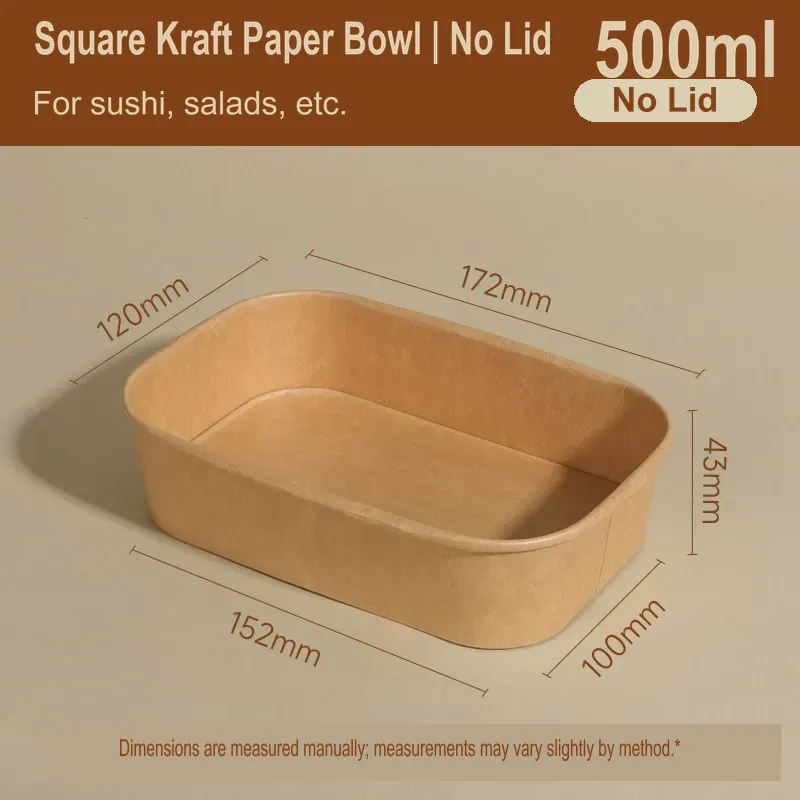
When buyers specify paper bowls, cups and plates, the coating decision shapes everything downstream: how the pack behaves with hot, cold, oily or watery food, how it runs through filling lines, and what happens to it after use. Here is how the common coating options compare, so you can match the material to your menu and your market's disposal rules.
What the coating choice actually changes
The paper board provides structure; the coating provides the barrier. Options include PE, PP, CPET, PLA, PHA and aqueous (water-based) coating. The right choice depends on three questions: How hot is the food? How long does it sit? And what end-of-life claims do you need to make in your market?
PE and PP: the established workhorses
PE and PP coatings are the most widely used barriers for takeaway packaging. They seal reliably at scale, handle chilled and reheated food, and are supported by mature converting processes. If your program prioritises supply stability and cost control on standard hot and cold applications, these coatings remain a dependable baseline.
Biobased PHA coating
PHA is a 100% biobased, fully compostable coating designed to home-compost within 3-6 months and to meet EU and US standards. For programs where compostability is a purchasing requirement - municipal food-service contracts, zero-waste venues, eco-forward brands - PHA-coated paper packaging lets you keep the convenience of disposable serviceware while supporting a compostable end-of-life story.
Heat-resistant CPET for hot fill and reheat
CPET coating supports hot food reheating and is produced from recyclable pulp with water-based materials. It is a practical option for pre-heated items, ready meals and packs that travel from freezer or chiller directly to a heating step. If your categories involve reheating in the pack, CPET deserves a place on the shortlist.
PLA for cold drinks and straws
PLA is a plant-based bioplastic used for compostable straws and stirrers as well as cold-drink linings. PLA straws are food-grade, thick-walled and suitable for cold beverages. For cold applications with a compostability requirement, PLA-based items pair naturally with PHA or aqueous-coated food packaging.
Aqueous coating: the recyclability play
Aqueous (water-based) barrier coatings are designed so the coated paper can go into standard paper recycling streams. They handle many hot and cold applications and are increasingly specified by brands with recyclability targets. If your market's rules reward recyclability rather than compostability, aqueous-coated board is usually the stronger position.
How to decide
Start from your menu: temperature, oil content and dwell time narrow the barrier options quickly. Then layer on your market's disposal rules and your brand's sustainability claims. Finally, confirm the choice against your packing line - coating affects heat-sealing behaviour. Share your application with our team and we will recommend a coating, lid and specification combination, then confirm it with samples before you commit to a program.